Rodent & Wildlife Removal for Orlando Homes
Request an estimate from a local provider
Finding out that something lives in your attic, wall, or crawl space is unsettling, especially the first time. Most of the time the cause is a rat, a mouse, a squirrel, or another small animal that found a gap and decided your home was a good shelter. Think of a small crack like an open door with no sign on it.
Joshmore Pest Control is a referral service. We explain what is likely going on, then connect you with independent providers in our network who handle rodent and wildlife removal across the Orlando area. The provider does the work, not Joshmore Pest Control. You can ask questions, compare options, and decide at your own pace with no obligation.
Scratching in the Attic or Walls? Start Here
If you are reading this because of a strange noise, take a slow breath. Most animal problems feel scarier than they are. A rat or a squirrel in the ceiling is a common event, and trained providers deal with it all the time.
This page walks you through the first hour, explains what is probably happening, and shows how removal works. If you typed "exterminator near me" into your phone, you are in the right place to begin.
Your First Ten Minutes
Breathe, then look. Do not poke at the sound or bang on the wall. A frightened animal can bite or scratch, and it may run deeper into the house.
- Keep children and pets away from the room or the attic hatch.
- Note when you hear the noise: at dusk, at night, or in the morning.
- Look for droppings, chew marks, or greasy smudges along walls.
- Write down or photograph what you find.
These notes are like a doctor's checklist. They help a provider guess the animal before they even arrive.
Why Waiting Makes the Problem Bigger
Rodents breed fast. A pair of mice can turn into a crowd in a few months. Think of a snowball that starts small and grows with every roll.
Chewing is the other worry. Rodents gnaw on wires, pipes, and insulation all the time. Wildlife like raccoons or squirrels can tear vents and soffits. Acting early keeps repairs smaller.
Signs That Point to Rodents
Rodents leave a trail, much like crumbs after a snack. Here is what to watch for.
- Small dark droppings near food, in cabinets, or in the attic
- Gnawed boxes, wires, or wood
- Rub marks along baseboards
- A musty or sharp smell in closed spaces
- Light scratching at night, often in walls
Signs That Point to Larger Wildlife
Bigger animals make bigger clues. Heavy thumping or rolling sounds often mean squirrels or raccoons. Chirping or squeaking in a warm spot can mean babies. Bent vent covers, torn insulation, and loose soffit boards are also common hints.
Bats are quiet, but they leave stains near entry points and small piles of droppings below.
Common Animals Providers Handle
Providers in our network commonly deal with roof rats, Norway rats, house mice, squirrels, raccoons, opossums, and bats. Wildlife removal can also include birds nesting in vents and animals under porches or sheds.
Each animal needs a different method. Think of it like fixing different leaks: the right tool depends on the pipe.
Why Block Homes and Tile Roofs Still Get Visitors
Concrete block walls feel solid, but animals use the small gaps instead. Tile roofs often have open spots at the ridge or along the edges. Vents, rooflines, and trees touching the house give easy climbing paths.
Warm, humid weather keeps animals active most of the year, so the problem does not always pause for a season.
How Rodent and Wildlife Removal Works
A good job has a clear order. Here is the usual flow.
Inspection
The provider checks the attic, roofline, and outside walls. They look for the animal, its entry points, and any damage.
Removal and Exclusion
They trap or guide the animal out, then seal the gaps so it cannot return. Sealing is the key step. Removing animals without closing the door is like bailing water without fixing the hole.
Cleanup and Repair
Some providers also clean droppings, replace insulation, or repair damaged vents. Ask what is included before you agree.
Humane Handling and Local Rules
Many wildlife species are protected by state or local rules. Some can only be moved in certain ways, and some cannot be moved at all. A reputable provider knows these rules and follows them.
Ask how they handle animals and what happens after removal.
What If There Are Babies?
If a mother animal has young, removal needs extra care. Taking the mother away leaves the babies stranded. A provider can plan around nesting times and reunite or relocate families in a safe way. Ask about this when you call.
Choosing a Removal Provider
Ask, then decide. A short list of questions makes the choice easier.
- Do they inspect before quoting?
- Will you get a written quote with the scope of work?
- Do they seal entry points, or only trap?
- Do they follow local wildlife rules?
- Is there a warranty on the sealing work, in writing?
Keeping Animals Out
Prevention is mostly small chores. Trim branches back from the roof. Store pet food and birdseed in tight containers. Close gaps around pipes and vents. Keep trash lids shut. Check the attic and soffits once or twice a year.
After a Storm
Heavy summer rain and hurricane season can push animals into attics and garages for shelter. After a big storm, look for new roof damage and loose vents. Fixing them early keeps visitors out.
A Quick Note on Other Pests
Rodents and wildlife are different from insects. Residential pest control for ants or roaches, and bed bug treatment, are separate jobs with their own pages and providers.
What's Included
Property Inspection
A provider checks the attic, roofline, and walls to find the animal and how it got in.
Safe Removal
Traps or exit methods that fit the animal and follow local wildlife rules.
Sealing Entry Points
Gaps, vents, and rooflines are closed so animals cannot come back.
Cleanup Options
Droppings, nesting, and damaged insulation can often be cleaned or replaced.
Typical Rodent and Wildlife Removal Costs
Prices depend on the animal, how many there are, and how hard the entry points are to reach. These are typical U.S. ranges only. Always ask for a written quote before work begins.
| Service | Typical range | Notes |
|---|---|---|
| Inspection | $100 – $300 | Some providers apply it to the job. |
| Mouse or rat trapping | $300 – $800 | Often needs several visits. |
| Squirrel or raccoon removal | $300 – $1,000 | Varies with access and animal count. |
| Sealing entry points | $500 – $2,500 | Depends on roof and wall access. |
| Attic cleanup and insulation | $500 – $6,000 | Larger attics cost more. |
| Bat exclusion | $1,000 – $5,000 | Seasonal rules may apply. |
How It Works
Stay Calm, Keep Distance
Keep people and pets away from the noise. Do not poke, block, or trap anything yourself.
Write Down What You Notice
Note the sounds, times, droppings, and damage. Photos help a provider guess the animal.
Request an Estimate
Use the request form, or Request a callback to check provider availability. Then ask the provider for a written quote.
Review the Plan and Decide
Compare scope, sealing, and cleanup. Choose the provider that explains things clearly.
Why Call Joshmore Pest Control
Independent Local Providers
Providers in our network work in your area and know local animals and rules.
Clear Explanations
Plain words about what is likely happening, so you can ask better questions and decide.
No Obligation
Request an estimate and compare, with no pressure to hire anyone.
Calm Guidance
Step-by-step help for the first hour so you know what to do and what to skip.
Other Services
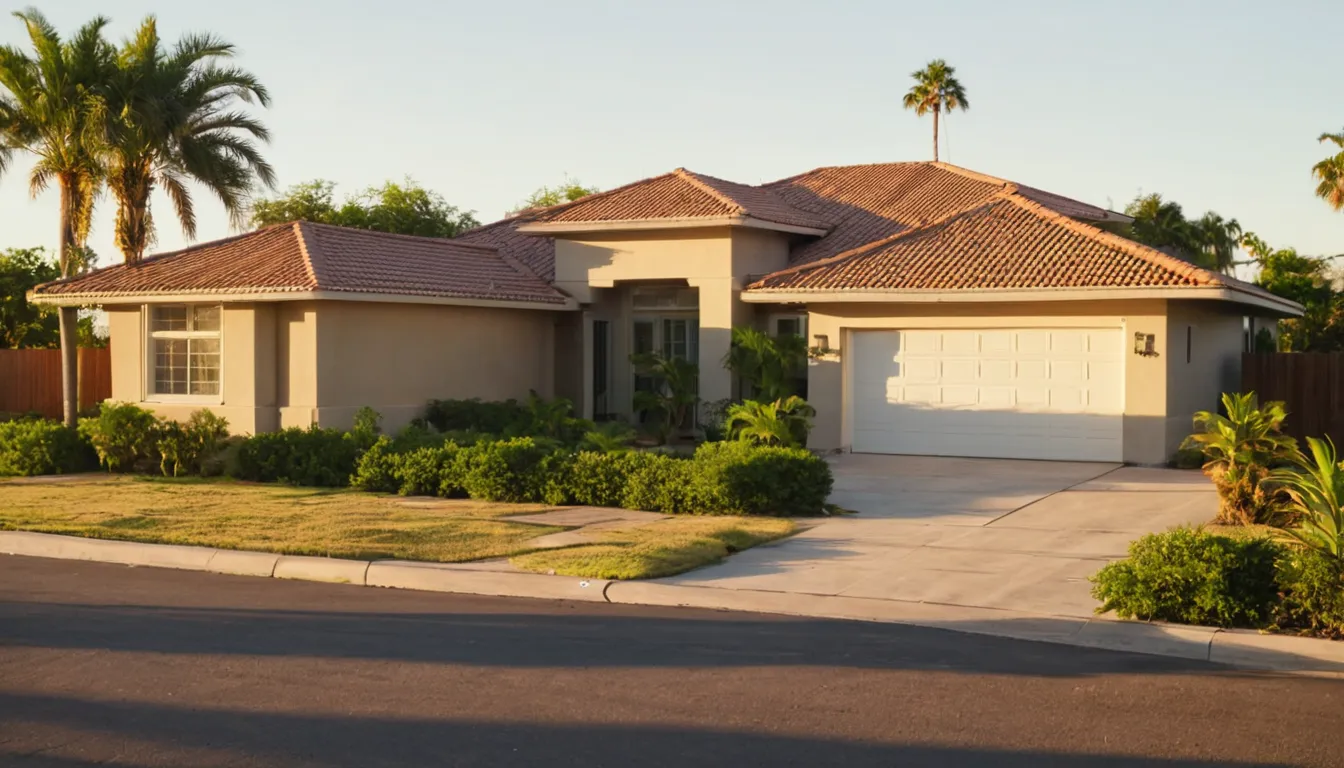
Need rodent & wildlife removal in Orlando?
Not sure what you are seeing? Send a short note or ask for a callback. A local provider in our network can help you plan the next step.
No obligationRodent & Wildlife Removal FAQ
What should I do if I hear animals in my attic?
Stay calm and keep pets and children away. Do not try to block holes, since animals may get trapped inside. Note the sounds and any droppings, then ask a local provider to inspect.
Is it safe to handle rodent droppings myself?
Droppings can carry germs, so avoid sweeping or vacuuming them dry. Wear gloves and a mask, dampen the area, and ask a provider about cleanup if there is a lot or it is in the attic.
Will removing the animals stop them from coming back?
Only if the entry points are sealed. Trapping alone often leaves the door open for the next animal. Ask any provider whether sealing is included and whether the sealing work comes with a written warranty.
Request a callback
Not sure what you are seeing? Send a short note or ask for a callback. A local provider in our network can help you plan the next step.
No obligation